Laser Diode

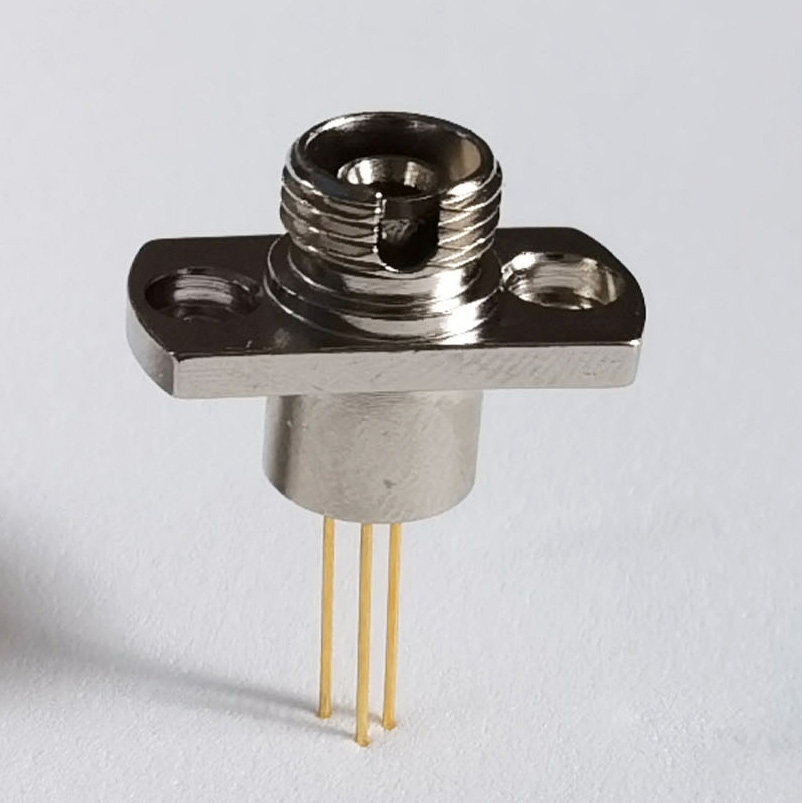
FC-Connectorized InGaAs PIN Photodiode Without a Built-in TIA

When selecting an FC-connectorized InGaAs PIN photodiode without an integrated transimpedance amplifier (TIA), the key factors are active area, dark current, junction capacitance, bandwidth, and fiber-coupling tolerance. 1. How Does Active Area Affect Performance? A smaller active area generally provides lower dark current and junction capacitance, resulting in lower detector noise contributions and potentially higher

FC-Connectorized InGaAs PIN Photodiode Without a Built-in TIA Read More »
520 nm Green Light Fiber-Coupled Laser Modules: A Guide to Single-Mode vs. Multimode Selection

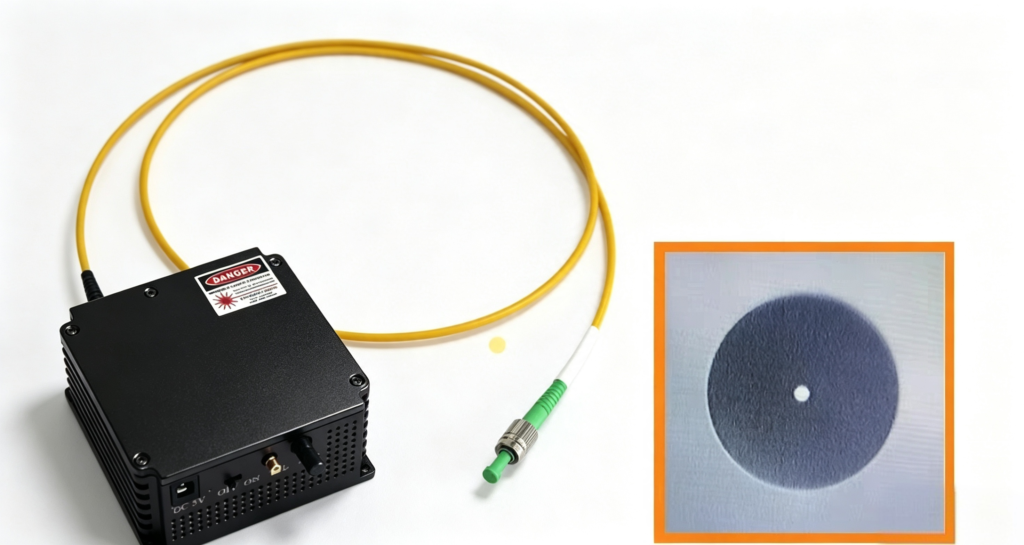
When choosing a 520 nm green fiber-coupled laser module, it is important to understand the differences between single-mode and multimode fiber options. Each offers distinct advantages for different laboratory applications, and the right choice depends on your experimental requirements. 1. Single-Mode Fiber-Coupled Laser Module Key specifications The single-mode version supports a near-Gaussian output beam profile,

520 nm Green Light Fiber-Coupled Laser Modules: A Guide to Single-Mode vs. Multimode Selection Read More »

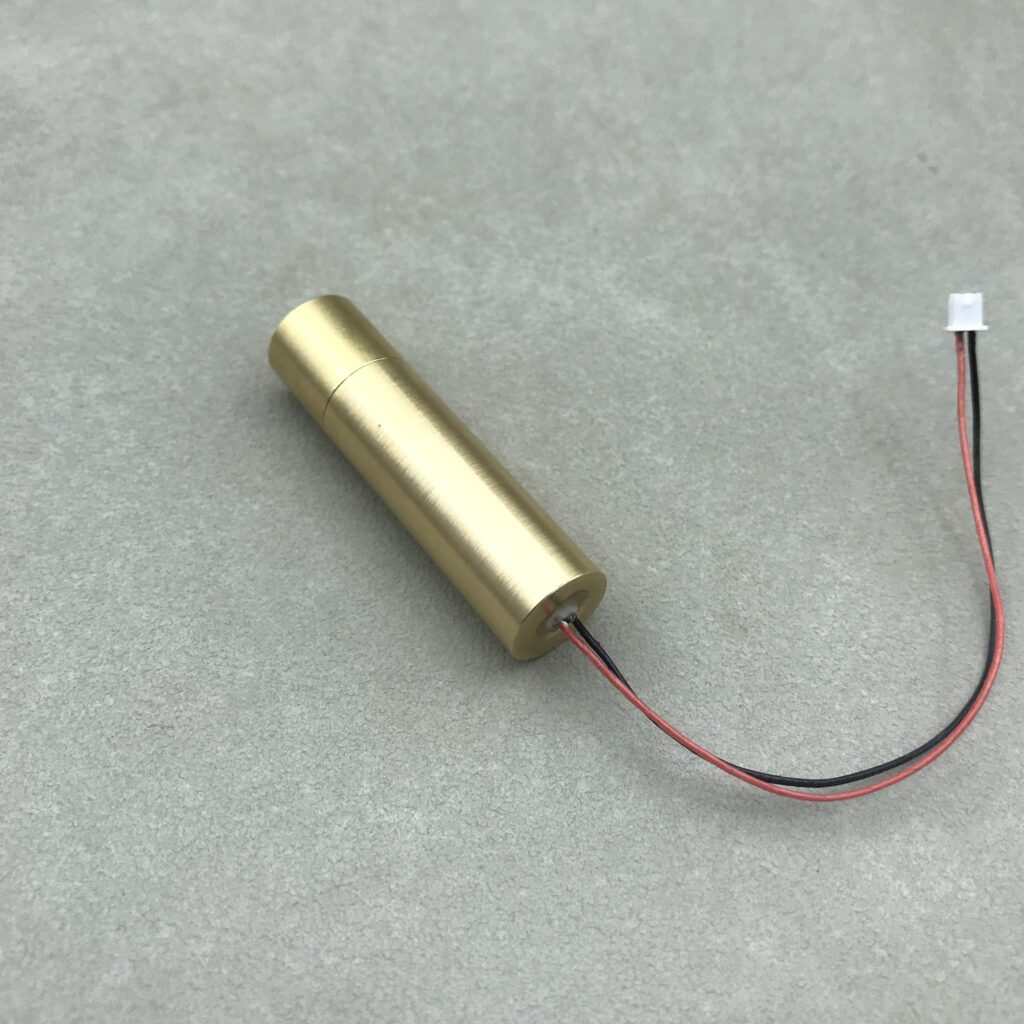
FIELD PRACTICE: Choosing Between 5mW and 50mW 650nm Red Dot Laser Modules

650nm red dot laser modules are commonly used for industrial alignment, machine vision, positioning, sensing, and scientific equipment. In actual field applications, however, choosing between a 5mW and a 50mW module is not simply a matter of choosing the “brighter” option. The key question is: How much optical power does the application actually need? From practical

FIELD PRACTICE: Choosing Between 5mW and 50mW 650nm Red Dot Laser Modules Read More »