
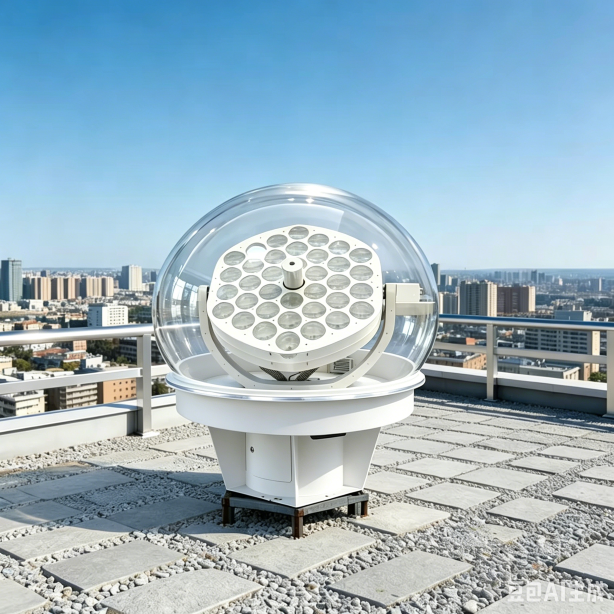
Lately, We’ve noticed a huge boom in underground greenhouses, multi-layer vertical farms, and plant factories. But let’s be honest—traditional skylights can leave plants in the dark in some corners, and running high-power LEDs all day will absolutely wreck your electricity bill.
That’s why Fiber Optic Solar Lighting Systems (which literally “pipe” real, natural sunlight indoors) are quietly becoming the new gold standard for high-quality growing.
If you are a grower or a greenhouse contractor looking into this tech, you are probably asking yourself: How do I choose the right system without getting ripped off?
Here is a straightforward, no-nonsense guide to help you pick the right gear and avoid costly mistakes.
1. Choosing the Fiber: The Glass vs. Plastic Trap
This is where most beginners waste their money. When you look at the optical fiber options, you’ll usually see two types. The choice is actually very simple:
- ✅ The Right Choice: Silica (Glass) Multimode Fiber
- Why you want it: This is the agricultural standard. It has incredible light transmission, practically zero light fade over distance, handles freezing winters and scorching summers, and won’t degrade under strong UV rays. It is built to last for years in a real farming environment.
- ❌ The Trap: POF (Plastic Optical Fiber)
- Why you should avoid it: Plastic fiber is cheap, but it loses a massive amount of light over short distances. Worse, it gets hot, turns yellow, and ages rapidly under the sun. It’s fine for a quick weekend experiment, but absolutely useless for a commercial greenhouse.
Quick Shopping Checklist (Keep it simple):
- Thickness: Look for a 1.5mm thickness (or standard core size). It’s the sweet spot for catching light and works perfectly for everything from leafy greens to medicinal herbs.
- Light Softness: Make sure it uses Step-index technology. Don’t worry about the physics; it just means the light coming out of the fiber is soft and evenly spread, so it won’t focus like a magnifying glass and burn your plant leaves.
2. Greenhouse Installation: Don’t Kill Your Fiber!
Optical fibers are made of glass, meaning they are tough against weather but fragile against bad handling. When routing your cables inside the greenhouse, follow these basic rules:
- Keep it cool: Route fibers away from heaters, CO2 burners, or hot air vents. Heat ages the outer protective jacket.
- Keep it high: Run the cables overhead on trays. Do not leave them on the ground where they can get eaten away by water, humidity, or harsh fertilizers.
- Give it room to breathe: Never bend the fiber tightly! Think of it like a stiff garden hose. If you bend it into a sharp 90-degree corner, the glass inside will crack, the light will leak out, and your expensive cable is instantly ruined. Always keep your bends wide and smooth (a radius of at least 5 to 10 centimeters).
3. Dish vs. Lens: Which “Sun Catcher” is Best For You?
On the roof of the greenhouse, you need a collector to grab the sunlight. You’ll see two main styles on the market, and they work very differently:
Option A: The “Satellite Dish” (Reflective Style)
- How it works: It looks like a big satellite dish or solar cooker that reflects all the sunlight into one big point.
- The Good: It catches a ton of raw light power and is generally cheaper to buy.
- The Bad: It also catches a ton of infrared heat. It can make your greenhouse run very hot, forcing you to spend more money on fans and cooling.
- Best for: Massive, single-level open greenhouses and crops that absolutely love intense, blasting sunlight.
Option B: The Lens Array (Refractive Style)
- How it works: A grid of high-tech square magnifying lenses. Each tiny lens precisely focuses a bit of sunlight directly into its own fiber line.
- The Good: It naturally filters out the heat while keeping the high-intensity growing light. The light output is incredibly stable, uniform, and completely safe for delicate plants.
- The Bad: It’s a precision-engineered piece of kit, so the upfront price tag is higher.
- Best for: Multi-layer vertical racks, sensitive seedling nurseries, high-value flowers, and deep underground spaces where heat control is critical.
The Bottom Line
When upgrading your greenhouse to natural solar piping, don’t buy blindly.
If you are doing high-density precision farming, vertical racks, or have a tight space where heat is an issue, save yourself the headache and go for the Lens Array system.
If you have a huge open acreage, are growing hardy crops, and just want maximum light for the lowest cost, the Dish system is your best bet.
Piping real sunlight indoors is easily the future of low-energy, high-yield farming—just make sure you choose the right tools for your specific setup!